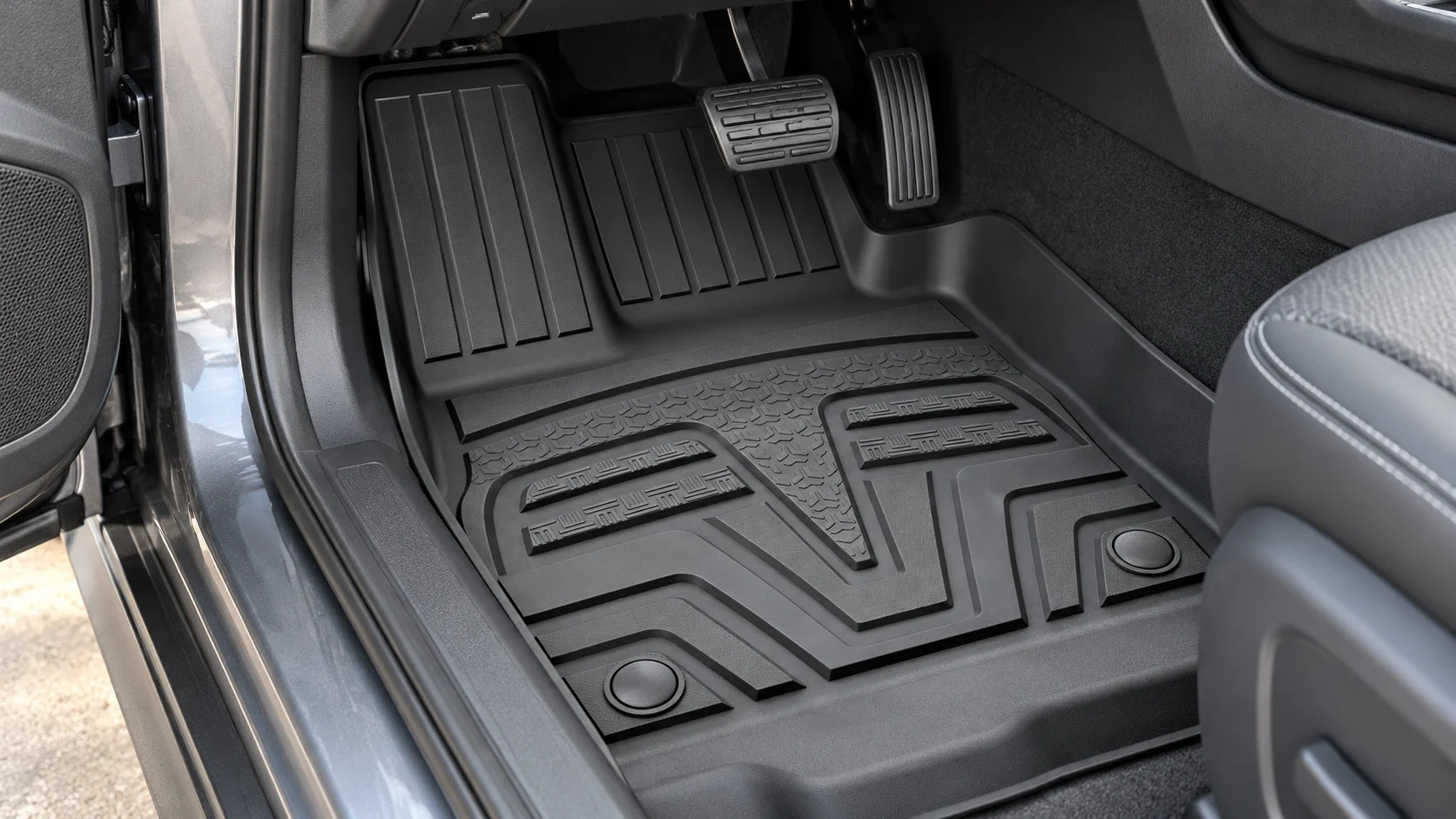
A floor mat inquiry often begins with a familiar combination: make, model and model year. That is useful, but it may not identify every interior layout. The same vehicle name can cover different markets, seat configurations and mid-cycle changes.
A short, precise vehicle brief helps your supplier check fitment before you invest time in sampling or place an order.
Start with the exact vehicle
Record the make, model, production or model year, body style and destination market. If you have a trim name or vehicle identification details, include them too. For a range of vehicles, send a separate line for each fitment instead of grouping them under one model name.
For right-hand-drive and left-hand-drive markets, state the steering position explicitly. A driver-side mat must be checked against the pedal area and the vehicle's own retention points.
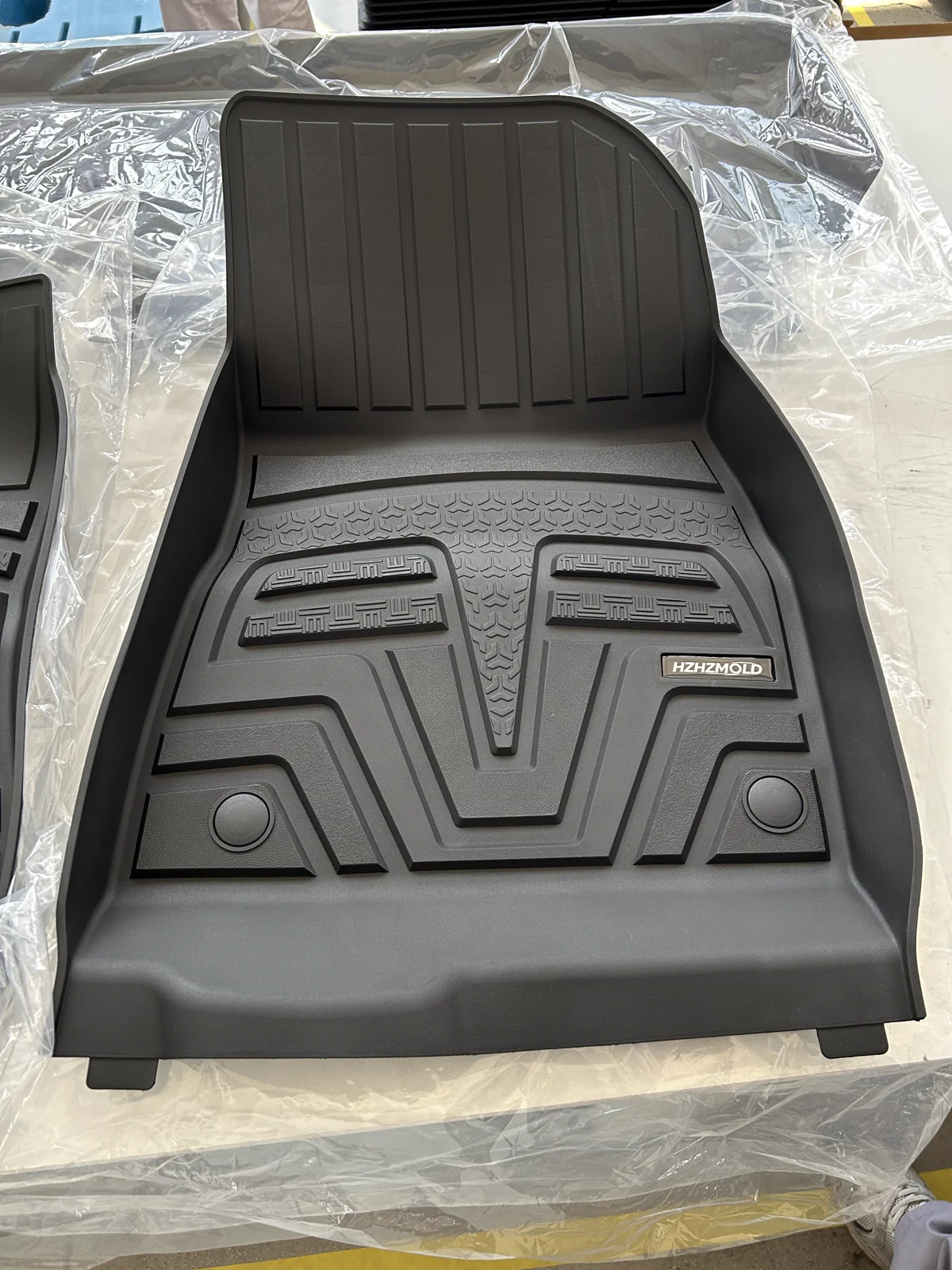
Describe the cabin layout
List the number of seat rows, seating layout and any important console or rail differences. If you need a cargo liner, note whether the rear seats are up or folded and whether the cargo floor has more than one height setting.
Photos of the empty footwells and cargo area are often more useful than a generic vehicle photo. Show the floor shape, original fixing points and any area where clearance is tight.
Agree on a sample check
Ask which vehicle variant the proposed mat was designed for, then compare the sample in the actual vehicle. Check edge coverage, door closure, seat movement, retention and pedal clearance. If any detail differs, document it with clear photos before approving production.
The goal is a shared fitment record. A supplier can then confirm which shapes are available, where a new mold may be needed and what details still require review.